

Our Programs

Four strategic pillars. Fifteen technical focus areas.

HFI’s programming spans fifteen technical focus areas, organized under four strategic pillars that reflect an integrated, systems-strengthening approach to health and development.

Every program is co-designed with government and community stakeholders, so it stays aligned with national and state health priorities and local realities.

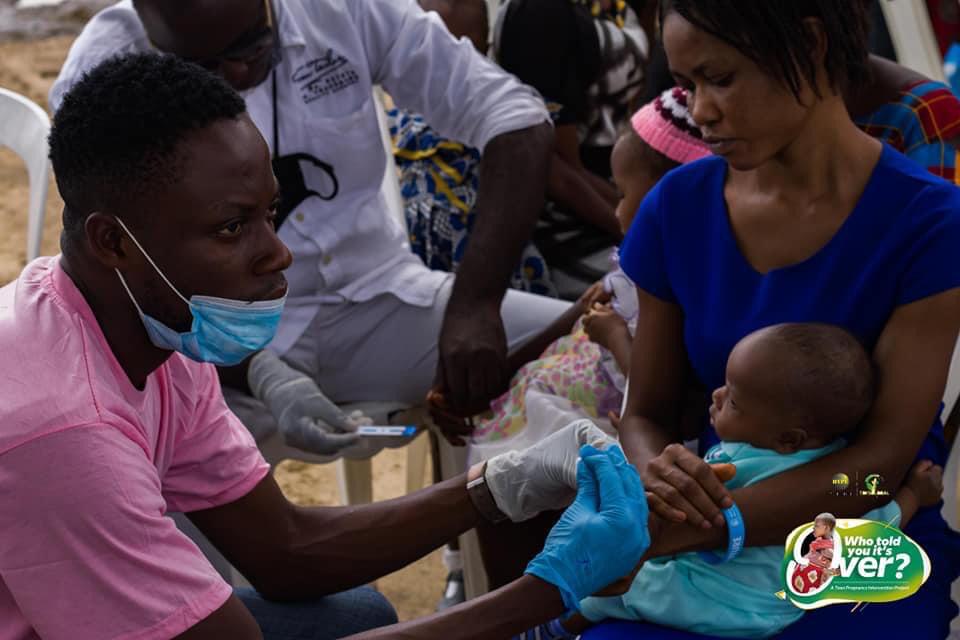
A health worker in a mask and gloves attends to an infant held by his mother at a community health outreach
Pillar I

Health Systems & Service Delivery

Strengthening primary healthcare service delivery and expanding access to prevention, diagnosis, and treatment.

Primary Healthcare Systems Strengthening

Improving primary healthcare service delivery across community health facilities, in alignment with government priorities.

Maternal, Newborn, Child and Reproductive Health

Advancing maternal, newborn, child, and reproductive health through targeted, inclusive interventions.

HIV/AIDS and Infectious Disease Management

Broadening access to comprehensive services for HIV/AIDS and other infectious diseases.

Non-Communicable Diseases (NCDs) & Sickle Cell Disease

Broadening access to comprehensive services for sickle cell disease and other non-communicable diseases.

Health Financing & Sustainability

Connecting frontline care to the financing structures needed to sustain it.
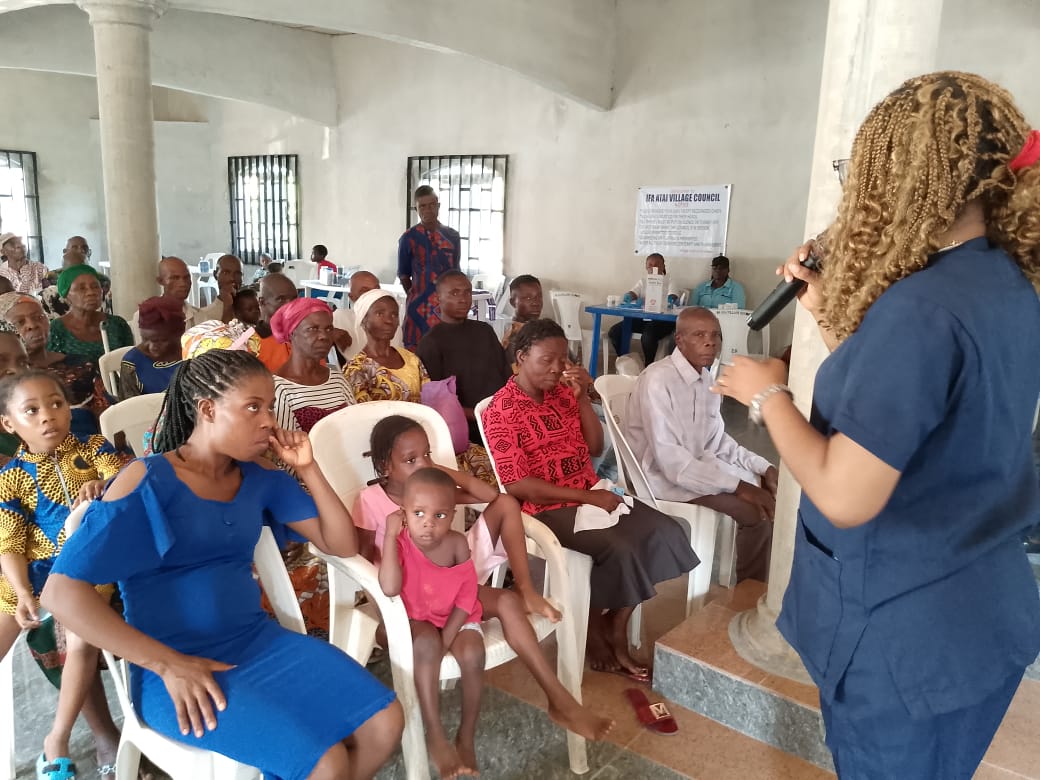
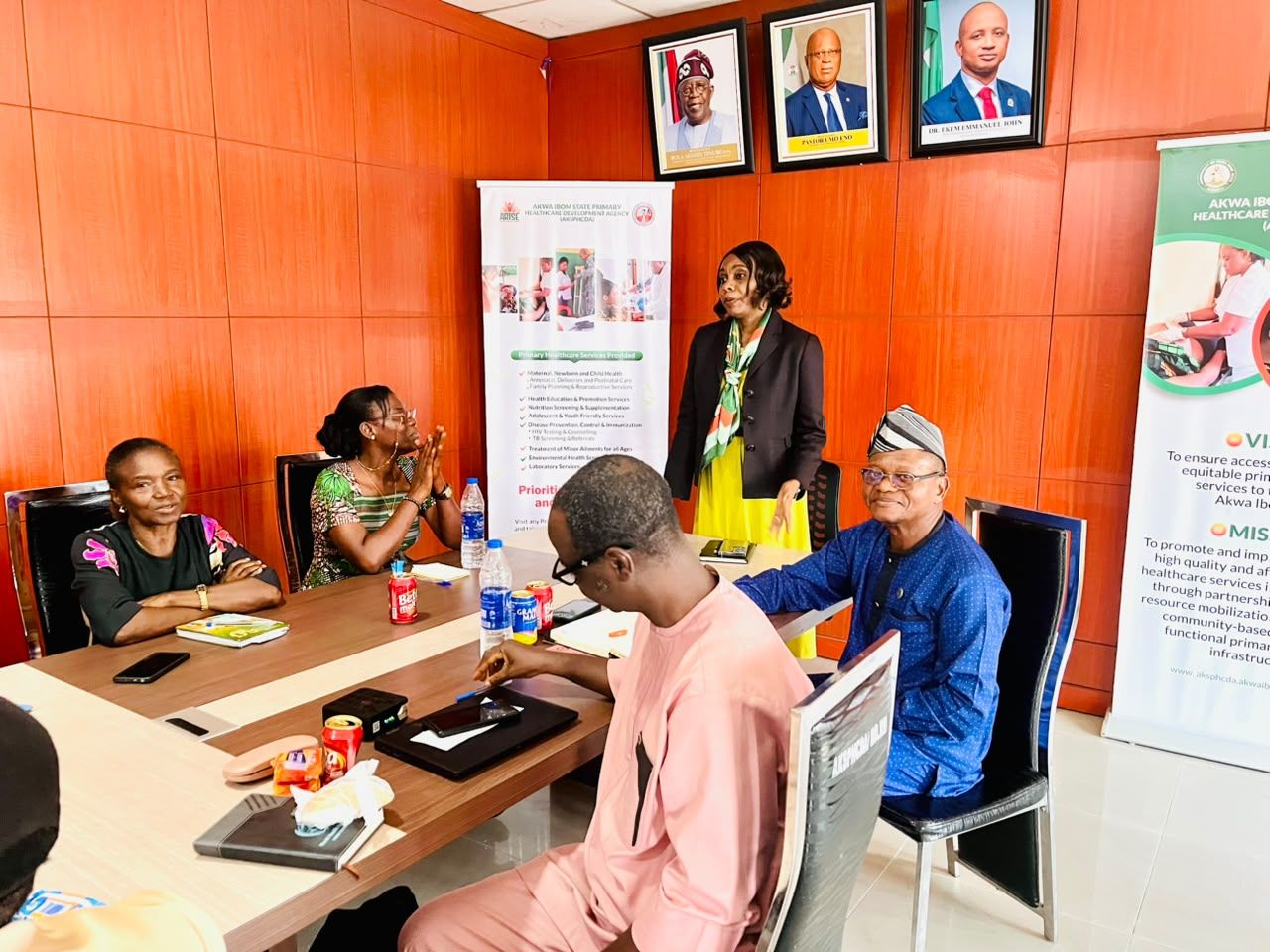
A health worker speaks to a seated community audience in a village council hall
Pillar II

Community, Equity & Social Well-being

Connecting families and trusted community structures to health education, nutrition, and support for underserved populations.

Community Health Education & Behavior Change

Promoting community health literacy, behavior change, and preventive practices.

Nutrition & Integrated Public Health

Integrated nutrition interventions at household, community, and facility levels.

Vulnerable & Underserved Populations

Reaching vulnerable and underserved communities with quality care.

Community Development & Social Well-being

Integrated community development that strengthens overall social well-being.

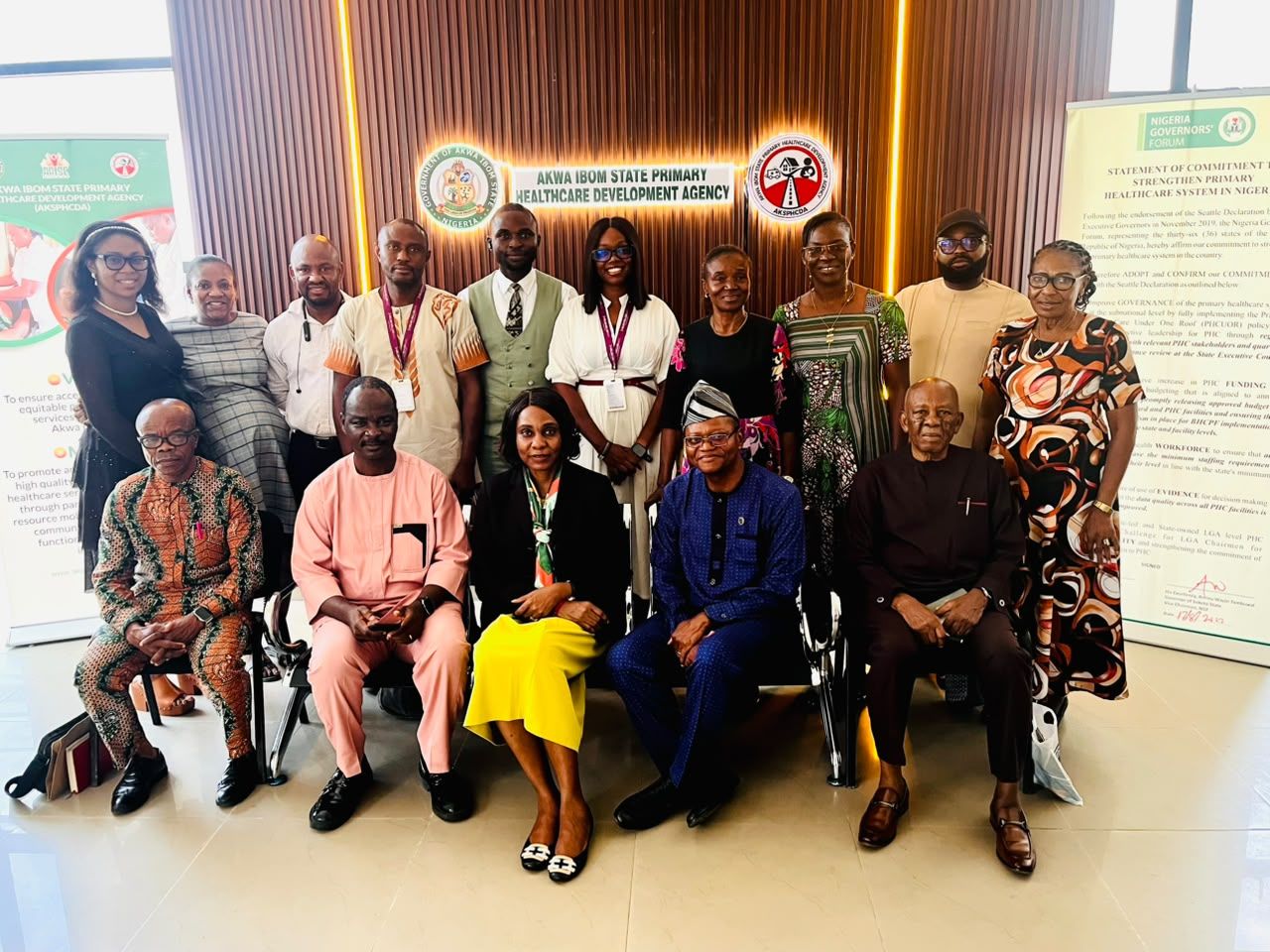
Four people in matching branded t-shirts posing together at a community event
Pillar III

Workforce, Partnerships & Innovation

Building the workforce, partnerships, and digital tools that sustain stronger health systems.

Health Workforce & Community Capacity Building

Building the capacity of health workers, community structures, and partner institutions so gains outlast any single project cycle.

Strategic Partnerships & Health Governance

Collaborating with global, national, and local partners and providing technical support that strengthens policy, systems, and service delivery.

Digital Health and Health System Innovation

Applying digital tools and data systems to strengthen decision-making, monitoring, and service delivery.

Community members, including children, gathered together in a hall
Pillar IV

Livelihoods, Resilience & Knowledge

Linking health outcomes to economic and environmental resilience, and generating the evidence to refine what works.

Economic Empowerment & Agri-Based Livelihoods for Food Security

Linking health programming to livelihood support, social enterprise, and agriculture-based economic empowerment for improved food security.

Climate-Resilient and Agri-Linked Health Systems

Recognizing that lasting well-being depends on livelihoods, nutrition, and a stable climate as much as clinical care.

Research, Evidence, Learning & Knowledge Management

Generating and applying evidence through research, monitoring, and structured learning to continuously refine what works.

Our Approach

How programs come together

HFI’s work is anchored in a systems-strengthening philosophy that places communities, government partners, and evidence at the center of every intervention. Rather than delivering isolated services, HFI designs integrated programs that connect frontline care to local workforce capacity, healthcare policies, and financing structures needed to sustain it. This means:

Co-Design

Co-designing interventions with government and community stakeholders to ensure alignment with national/state health priorities and local realities.

Local Capacity

Building local capacity of health workers, community structures, and partner institutions so that gains outlast any single project cycle.

Digital Tools

Applying digital tools and data systems to strengthen decision-making, monitoring, and service delivery.

Linked Resilience

Linking health outcomes to economic and environmental resilience, recognizing that lasting well-being depends on livelihoods, nutrition, and a stable climate as much as clinical care.

Evidence & Learning

Generating and applying evidence through research, monitoring, and structured learning to continuously refine what works.

Where Our Programs Run

Initial implementation in Akwa Ibom State, expanding across Nigeria

HFI is a Nigerian locally led organization with initial implementation coverage in Akwa Ibom State, working to strengthen community-primary healthcare connections, and expanding to other communities across Nigeria based on evidence, partnerships and resources.

Want to support a specific pillar?

Talk to us about partnering on a program area that matches your priorities.